Hey everyone, I’ve been thinking about something so important lately, and it’s something many of us, myself included, often push to the bottom of our to-do lists: self-care. You know, it’s pretty eye-opening when you look at the numbers. A recent study I came across mentioned that a significant percentage of adults, often over 70%, report experiencing daily stress, and a huge chunk of them admit they struggle to prioritize their own well-being. That statistic really hit home for me, because it highlights how easy it is to get caught up in life’s demands and forget to nurture ourselves. I mean, we’re always taking care of others, our work, our responsibilities, right? But who’s taking care of us? I wanted to share some discoveries and experiences about building truly effective self-care practices that go beyond just a quick fix, focusing on genuine emotional well-being and embracing a more mindful living approach. This isn’t about being selfish; it’s about making sure your cup is full so you actually have something to pour into everything else that matters to you.

What is Self-Care, Really?
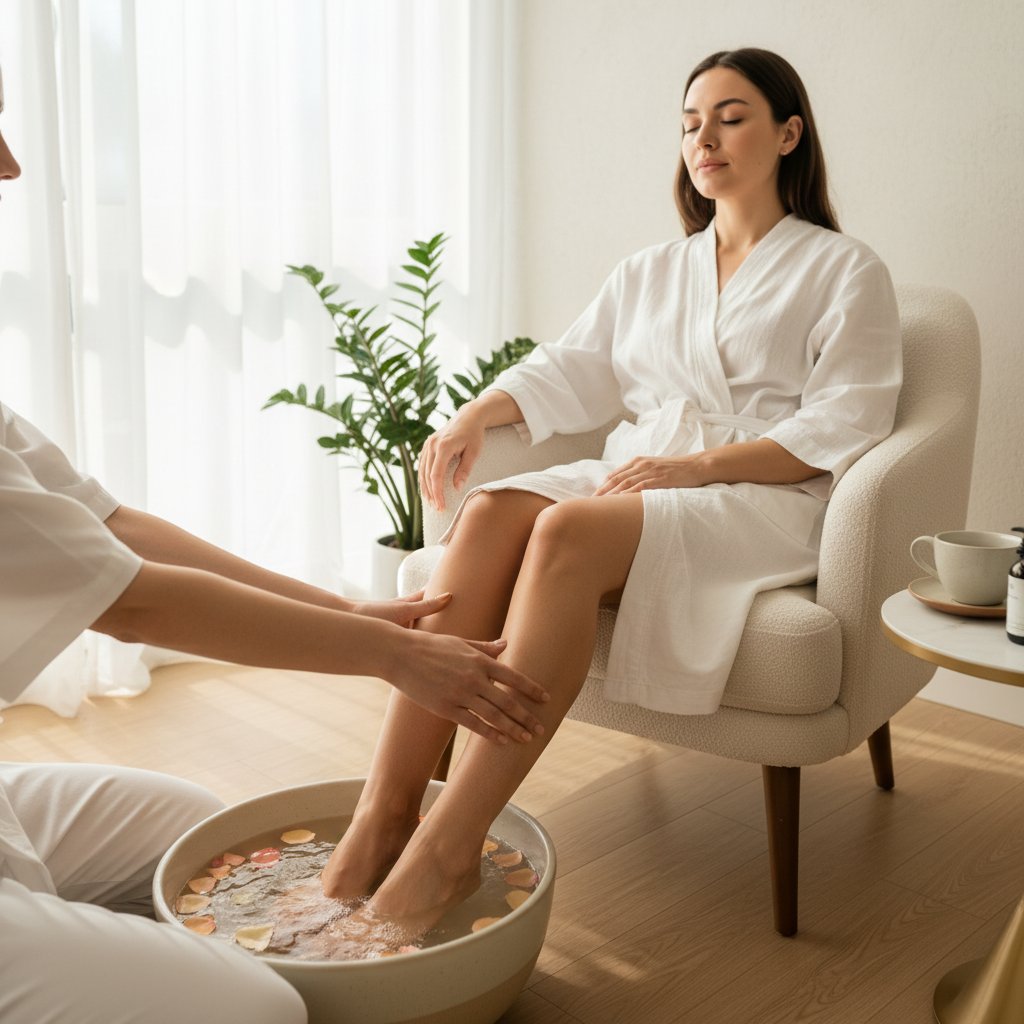
For a long time, when I heard “self-care,” my mind immediately jumped to images of luxurious spa days, expensive retreats, or long bubble baths. And while those things can certainly be wonderful, they’re often not accessible or realistic for our daily lives. I’ve come to realize that true self-care is much more profound and practical. It’s not about indulgence; it’s about intentionally taking actions to preserve or improve your physical, mental, and emotional health. It’s about recognizing when you’re running on empty and making a conscious choice to refuel. It’s about building resilience so you can better navigate life’s inevitable ups and downs without getting completely overwhelmed. Think of it as preventative maintenance for your whole self. It’s a proactive approach to your overall well-being, rather than a reactive one when you’re already burnt out.
Beyond the Bubble Baths: Different Facets of Self-Care
I’ve found it helpful to break self-care down into different areas, because what one person needs might be totally different from another, and our needs even change day by day. Here are a few facets that really resonate with me:
- Physical Self-Care: This is probably the most straightforward. It’s about honoring your body’s needs. Are you getting enough sleep? Drinking enough water? Eating nourishing foods? Moving your body in a way that feels good, whether it’s a brisk walk, dancing in your living room, or a stretching session? For me, this often looks like making sure I go for a walk outside during my lunch break, even if it’s just for 15 minutes. It’s amazing what a little fresh air can do for my energy levels and overall emotional well-being.
- Emotional Self-Care: This one is huge, and often the most overlooked. It’s about acknowledging and processing your feelings, rather than stuffing them down. It could be journaling, talking to a trusted friend, listening to music that helps you express an emotion, or even just allowing yourself to cry when you need to. I remember a time when I was feeling incredibly overwhelmed, and instead of just pushing through, I sat down and just wrote out everything I was feeling. It wasn’t pretty, but it was incredibly cathartic and a powerful act of stress management for me.
- Mental Self-Care: Our minds work so hard, don’t they? Mental self-care involves engaging in activities that stimulate your mind, but also giving it a break when it’s overloaded. This could be reading a good book, learning something new, doing a puzzle, or consciously stepping away from screens and news cycles that are draining your mental energy. Sometimes, it’s as simple as setting aside 10 minutes to just sit quietly without any input, practicing a bit of mindful living.
- Social Self-Care: We’re social creatures! This is about nurturing your relationships and connecting with people who uplift you. It could be a coffee date with a friend, a video call with family, or even just a quick text exchange. But it’s also about setting boundaries when social interaction feels draining. There are days when I absolutely need to connect, and other days when my best social self-care is an evening alone with a book.

Practical Self-Care Practices to Embrace
Okay, so now that we’ve talked about what self-care is, let’s get into some practical ways we can actually weave it into our busy lives. I’ve found that the key is to start small and be consistent, rather than aiming for perfection. Here are a few things that have made a real difference for me and others I know:
Start Small, Start Now
- Mindful Moments Throughout Your Day: You don’t need an hour-long meditation session to practice mindfulness. Try just taking three deep breaths before you open your email in the morning, or really savoring your morning coffee without distractions. When you’re walking, notice the sounds, the smells, the feeling of your feet on the ground. These tiny pauses can significantly boost your emotional well-being and help with stress management. I try to do this every time I wash my hands – focusing on the water, the soap, the sensation. It’s a tiny reset.
- Setting Boundaries: Oh, this is a tough one, but so crucial! Learning to say “no” to commitments that don’t serve you, or even “not right now,” is a powerful act of self-care. It’s also about protecting your time and energy from constant demands. This could be turning off work notifications after a certain hour, or letting loved ones know when you need some quiet time. I used to feel so guilty, but I’ve learned that saying “no” to one thing often means saying “yes” to my own peace of mind, which ultimately makes me a better friend, partner, or colleague.
- Prioritizing Rest: In our hustle culture, rest often feels like a luxury, not a necessity. But it is absolutely essential for physical and mental recovery. This isn’t just about sleep, though that’s vital. It’s also about intentional downtime – moments where you’re not trying to be productive. Maybe it’s staring out the window, listening to music, or just daydreaming. I’ve started scheduling “do nothing” time in my calendar, and it sounds silly, but it ensures I actually get those moments of pure, unstructured rest.
- Nourishing Your Body with Intention: This isn’t about dieting or deprivation, but about fueling your body with what makes it feel good. Sometimes it’s a home-cooked meal, sometimes it’s ordering takeout because you’re too tired to cook. The intention is key. Are you eating mindfully, enjoying your food, or just shoveling it down? Also, staying hydrated is a simple but powerful self-care practice. Keep a water bottle handy!
- Engaging in Hobbies and Creative Outlets: What makes your heart sing? What did you love to do as a kid? Whether it’s painting, playing an instrument, gardening, writing, or building models, engaging in activities purely for enjoyment can be incredibly restorative. These activities allow your mind to wander and often bring a sense of flow and joy that’s critical for mindful living.
Overcoming the Self-Care Guilt Trip
I know, I know. Sometimes, even thinking about taking time for yourself can bring on a wave of guilt. “I should be working,” or “I should be doing something for someone else.” I’ve definitely been there. It feels selfish, right? But here’s a reframe that really helped me: self-care isn’t selfish; it’s essential. Think of it like this: you can’t pour from an empty cup. If you’re constantly depleted, you’re not going to be able to show up as your best self for your family, your friends, your work, or even for yourself. Prioritizing your well-being is an act of responsibility, not indulgence. It’s about ensuring you have the energy, patience, and resilience to navigate life effectively and joyfully. When I started viewing my self-care practices as vital investments in my overall capacity, the guilt started to fade away.
Making Self-Care a Non-Negotiable Habit
The biggest challenge with self-care, I’ve found, is consistency. It’s easy to do it for a day or two, but making it a sustainable habit takes effort. One thing that has really helped me is to treat my self-care like I would any other important appointment. Schedule it in your calendar. Even if it’s just 15 minutes of quiet time or a short walk, block it out. Start small, as we talked about, and build from there. Don’t wait until you’re completely burnt out to start; make it a regular part of your routine. Experiment with different self-care practices to see what truly recharges you and supports your emotional well-being. What works one day might not work the next, so be flexible and kind to yourself. The goal isn’t perfection, but progress and a commitment to nurturing yourself for the long haul. Remember, a little bit of consistent stress management and mindful living goes a very long way.
I hope these suggestions help you! It’s a journey, not a destination, and we’re all figuring it out together. If you have any thoughts or your own favorite self-care tips, feel free to share with me. What do you do to fill your cup?