You know what? I recently found something really interesting… it’s about how we take care of ourselves, or sometimes, how we don’t. I’ve been thinking so much about selfcare lately, and how it’s truly essential for our overall well-being. It’s more than just bubble baths and treats; it’s about intentionally nurturing ourselves so we can show up fully for life and for the people we care about. For a long time, I thought selfcare was a luxury, something you did only when you had extra time or felt completely burnt out. But I’ve come to realize it’s a fundamental pillar of good mental health and a powerful tool for stress relief. It’s a practice that truly transforms how you feel, how you interact with the world, and even how you inspire others.

Understanding What Selfcare Truly Means for Your Well-being
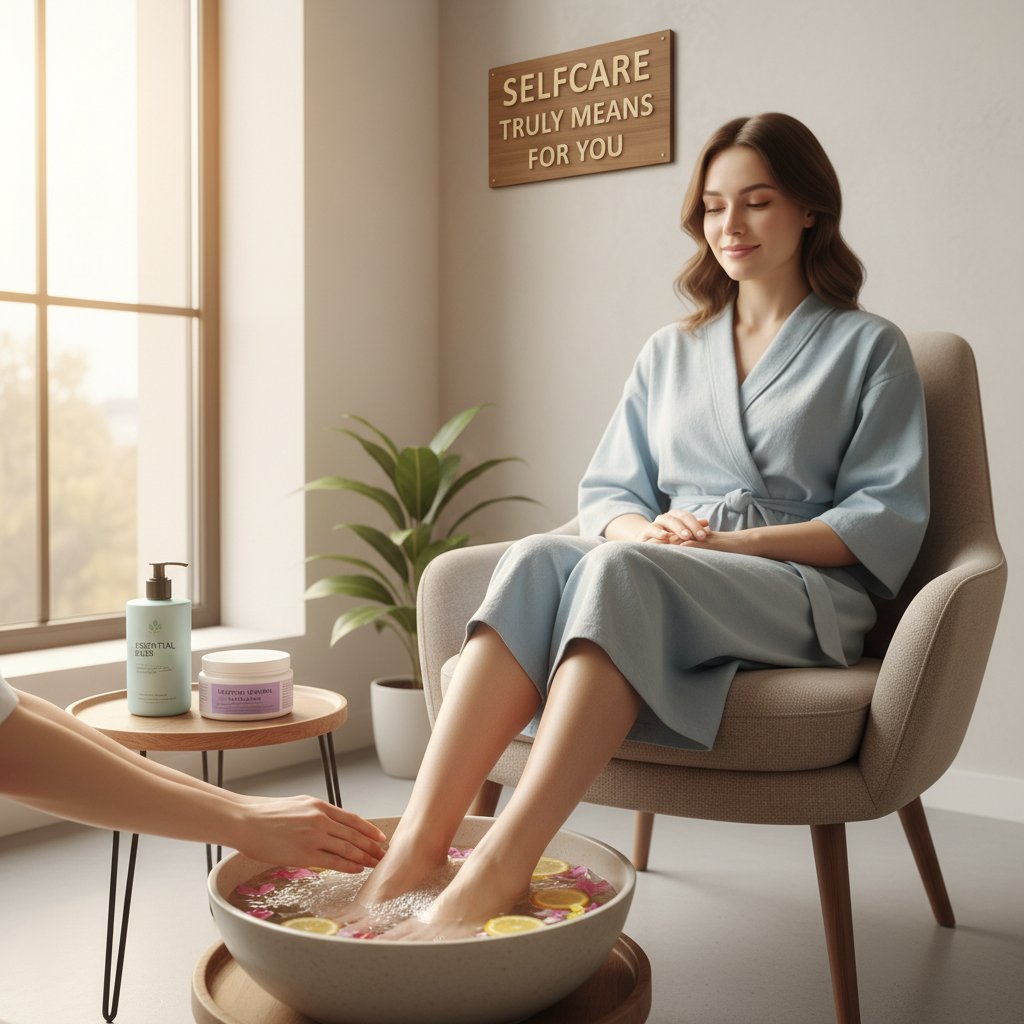
When we hear the word “selfcare,” a lot of us immediately think of spa days or indulgent treats. And while those things can certainly be a part of it, true selfcare runs much deeper. It’s about being mindful of your needs – physically, emotionally, and mentally – and taking proactive steps to meet those needs. It’s not about being selfish; it’s about understanding that you can’t pour from an empty cup. If you’re constantly running on fumes, feeling overwhelmed, or neglecting your own needs, your capacity to help others, to be present, or even to enjoy life diminishes. It’s an investment in your long-term well-being.
Physical Selfcare: Listening to Your Body
For me, physical selfcare used to be an afterthought. I’d push through tiredness, skip meals, or neglect exercise, always prioritizing tasks over my body’s signals. But I learned the hard way that ignoring these signals only leads to burnout and a decline in my overall mental health. Now, my physical selfcare looks like this:
- Nourishing Meals: Taking the time to prepare and enjoy healthy food, rather than just grabbing whatever is quick and convenient. It’s amazing what a difference a home-cooked meal can make to your energy levels.
- Restful Sleep: Prioritizing 7-8 hours of sleep. This means setting a consistent bedtime, even on weekends, and creating a relaxing evening routine. I used to think I could “catch up” on sleep, but consistent rest is key.
- Movement: Finding ways to move my body that I genuinely enjoy. It could be a brisk walk in the park, a gentle yoga session, or dancing in my living room. The goal isn’t intense workouts every day, but consistent, enjoyable movement. It’s incredible for stress relief.
- Hydration: Keeping a water bottle nearby and sipping throughout the day. Simple, but so effective for energy and focus.
Emotional and Mental Selfcare: Nurturing Your Inner World
This aspect of selfcare is perhaps the most profound for me. It’s about acknowledging and processing your feelings, setting boundaries, and protecting your inner peace. We often get caught up in the hustle and bustle, pushing our emotions aside until they boil over. Learning to tend to my emotional and mental state has been a game-changer for my well-being.
- Journaling: I’ve found that writing down my thoughts and feelings helps me to process them without judgment. It’s like having a quiet conversation with myself, and it’s a fantastic way to gain clarity and achieve some much-needed stress relief.
- Mindfulness and Meditation: Even just 5-10 minutes of quiet reflection or guided meditation can reset my day. It helps me to be present and less reactive to daily stressors.
- Setting Boundaries: This was a tough one for me. Learning to say “no” to commitments that would overwhelm me, or to people who drain my energy, was incredibly empowering. It protects my time and energy, which are precious resources for my mental health.
- Connecting with Loved Ones: Spending quality time with people who uplift me and make me feel seen and heard. True connection is a powerful form of emotional nourishment.
- Limiting Negative Inputs: This includes being mindful of what I consume online, on social media, or even in conversations. Protecting my mental space from negativity is a vital part of my selfcare routine.
Making Time for Selfcare: Practical Steps for a Fuller Life
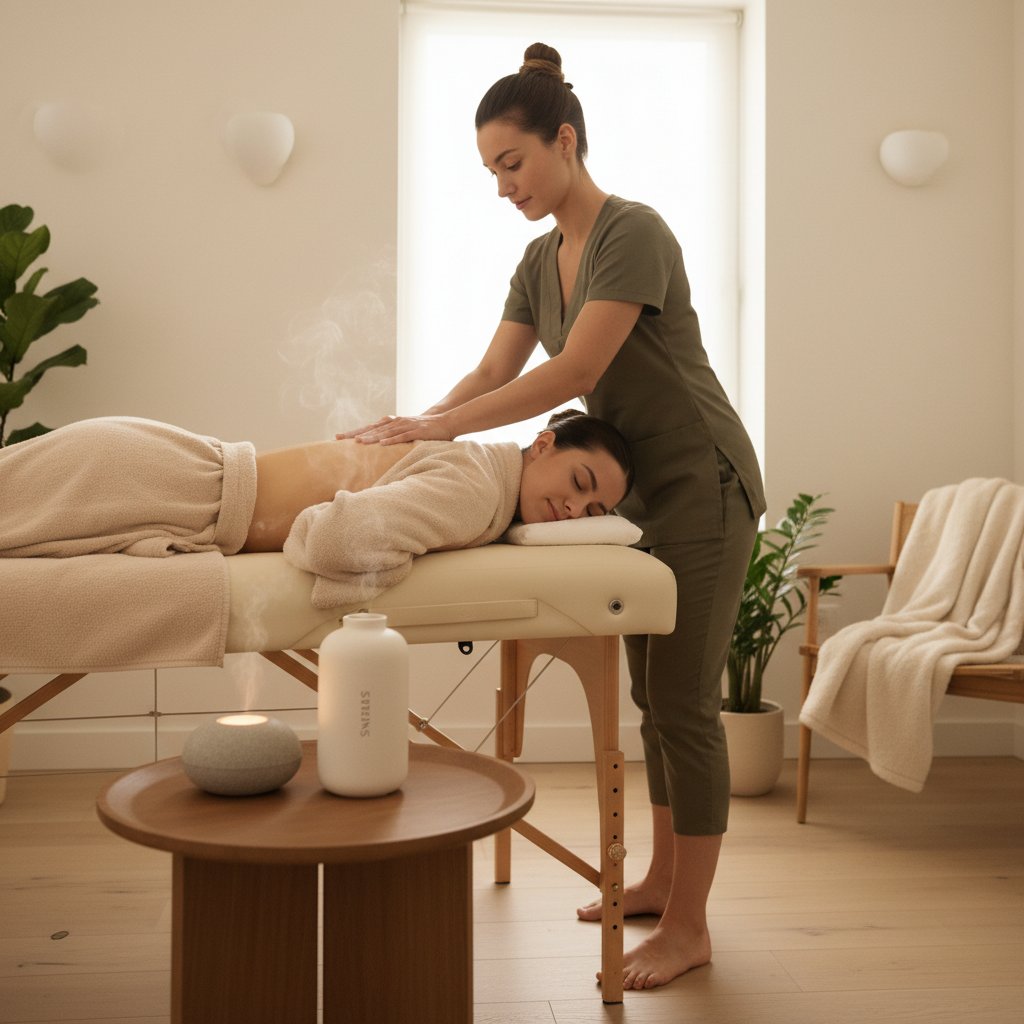
I know what you might be thinking: “This all sounds great, but when do I find the time?” Trust me, I’ve been there. Our lives are busy, and it often feels like there aren’t enough hours in the day. But the truth is, you don’t “find” time for selfcare; you make it. It’s about prioritizing it, just like you would any other important appointment.
Start Small and Be Consistent
You don’t need to overhaul your entire life overnight. Even small, consistent actions can have a huge impact on your well-being. Maybe it’s taking 10 minutes to read a book before bed instead of scrolling through your phone. Or enjoying a cup of tea in silence before the day officially begins. These little moments add up and build a foundation for better mental health and effective stress relief.
One of my favorite small practices is a “power pause” in the middle of a busy day. I’ll step away from my desk, go outside for five minutes, take a few deep breaths, and just observe my surroundings. It’s a tiny reset button that prevents me from feeling completely drained by the afternoon.
Schedule It Like an Appointment
If it’s in your calendar, you’re more likely to do it. Treat your selfcare time with the same importance as a work meeting or a doctor’s appointment. Block out 30 minutes for a walk, an hour for a creative hobby, or even just 15 minutes for quiet reflection. When you commit to it, you’re telling yourself that your well-being matters.
I remember a period when I felt completely overwhelmed. I started scheduling “me time” in my planner. Even if it was just an hour to listen to music and clean my space, or to work on a personal project, having it blocked out made it feel legitimate and non-negotiable. It truly helped with my overall stress relief.
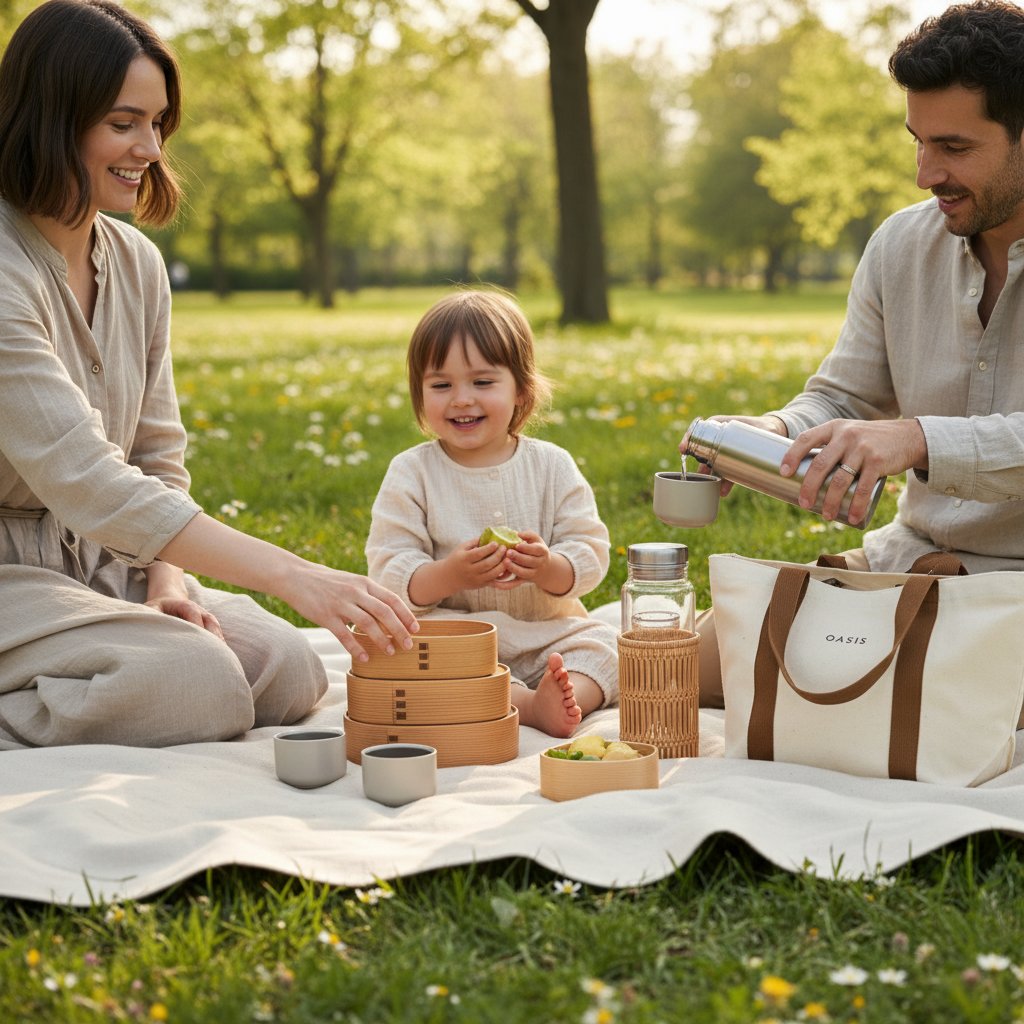
Overcoming the Guilt of Prioritizing Your Selfcare

This is a big one, isn’t it? So many of us feel guilty when we take time for ourselves, especially if we have family responsibilities or demanding jobs. We might think we’re being selfish, or that we should always be doing something productive for others. I certainly struggled with this for a long time.
But here’s the perspective shift that helped me: selfcare isn’t about neglecting your responsibilities; it’s about ensuring you have the energy, clarity, and resilience to meet them effectively. When I’m well-rested, emotionally balanced, and physically nourished, I’m a better friend, a more patient partner, and a more focused person at work. My capacity to give to others actually increases when I prioritize my own well-being.
Think of it as putting on your own oxygen mask first. You can’t help others if you’re struggling to breathe yourself. Releasing the guilt around selfcare has been incredibly liberating for my mental health, allowing me to embrace these practices without reservation. It’s not a reward for hard work; it’s a necessary component of a healthy, balanced life, and an essential practice for genuine stress relief.
I hope these suggestions help you! Embracing selfcare has been one of the most transformative journeys for my overall well-being. It’s not a destination, but a continuous practice of listening to yourself and responding with kindness. What are your favorite ways to practice selfcare? I’d love to hear your thoughts and experiences. Let’s continue to support each other in nurturing our incredible selves.