I’ve been thinking a lot about self-care lately, and how essential it is for our overall personal well-being. It’s something we often hear about, but sometimes it feels like just another item on an already overwhelming to-do list. But truly, understanding and integrating effective self-care practices into our lives isn’t a luxury; it’s a fundamental necessity for navigating the complexities of modern life and ensuring our mental health support remains strong. It’s about being kind to ourselves, recognizing our limits, and actively taking steps to recharge our batteries, all elements of mindful living.
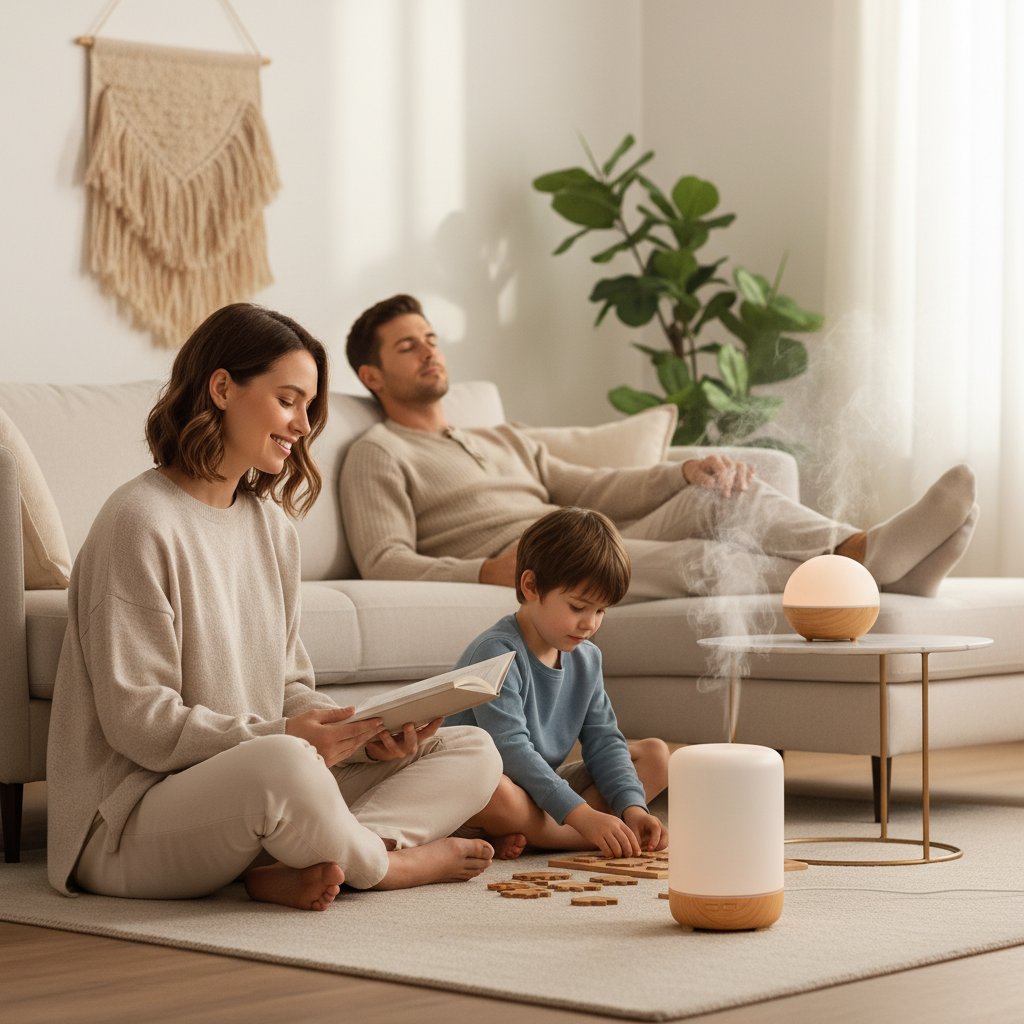
You know, there’s a common misconception that self-care is all about indulgent spa days or expensive treats. While those can certainly be part of it, the core of self-care is much simpler and more profound. It’s not selfish; it’s self-preservation. Think of it this way: you can’t pour from an empty cup. If we constantly give, give, give—to our jobs, our families, our friends—without replenishing our own reserves, we quickly burn out. I’ve been there, feeling completely drained, irritable, and disconnected, and it’s a tough place to be. That’s when I realized how crucial it is to prioritize my own personal well-being, not just for myself, but for everyone around me.
For me, self-care isn’t about grand gestures; it’s about the small, consistent choices we make every day to support our physical, emotional, and mental health. It’s about recognizing when you need a break, even a five-minute one, and giving yourself permission to take it, an essential aspect of ongoing mental health support. It’s about setting boundaries and saying “no” when you’re already stretched thin. These are the foundational self-care practices that truly make a difference in the long run, often serving as excellent stress relief strategies.
Practical Self-Care Practices for Your Daily Life
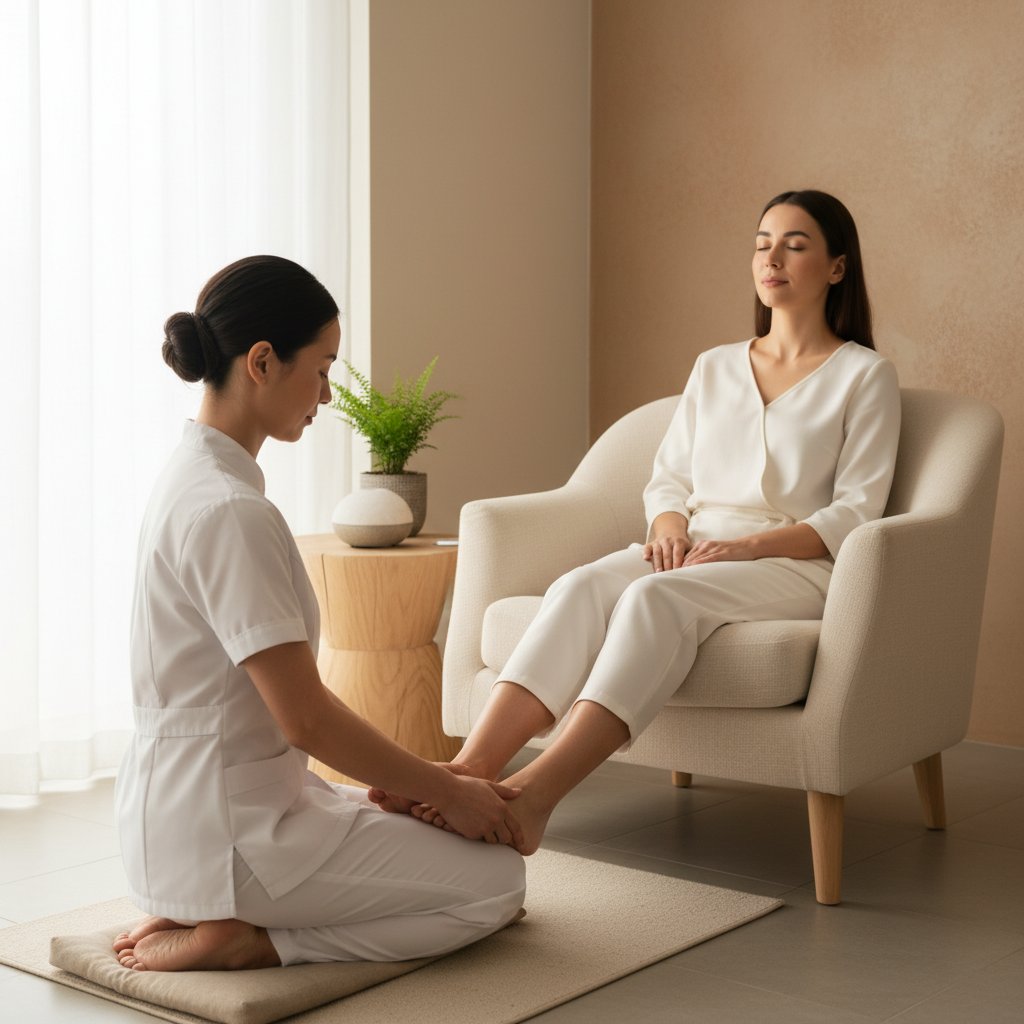
So, what does practical self-care look like? It’s different for everyone, but there are some universal categories that we can all tap into. I like to think about it in terms of mind, body, and spirit, though not in a strictly religious sense, more about nurturing your inner self. It’s about making choices that align with a more balanced and mindful living approach.
Nurturing Your Body
- Movement: This doesn’t mean you need to run a marathon! It could be a brisk walk around the block, some gentle stretching, dancing to your favorite music, or even just taking the stairs instead of the elevator. I’ve found that even 15-20 minutes of movement can drastically shift my mood and energy levels. It’s a fantastic way to implement stress relief strategies.
- Nourishment: Fueling your body with healthy, delicious food is a profound act of self-care. It’s not about strict diets, but about making conscious choices that make you feel good. And yes, sometimes that includes a treat! The key is balance and awareness. Making conscious choices that make you feel good can also be a gentle stress relief strategy.
- Sleep: This one is huge. I know we all often sacrifice sleep for “productivity,” but honestly, a well-rested mind is a more productive and resilient mind. Establishing a consistent sleep routine, creating a relaxing bedtime environment, and prioritizing those precious hours can be game-changers for your overall personal well-being.
- Hydration: Simple, yet so often overlooked. Keeping well-hydrated makes a noticeable difference in my energy, focus, and even my skin. It’s one of those easy self-care practices that yields big results.

Supporting Your Mind and Emotions
- Mindful Moments: This is where mindful living comes in. It could be as simple as taking a few deep breaths when you feel overwhelmed, or truly savoring your morning coffee without distractions. For me, a short meditation session, even just 5-10 minutes, helps to quiet the mental chatter and brings a sense of calm, embodying true mindful living. It’s a powerful tool for mental health support.
- Creative Expression: Do you have a hobby that allows you to lose yourself in the moment? Painting, writing, playing an instrument, gardening, even cooking a new recipe can be incredibly therapeutic. Engaging in activities that bring you joy and allow for self-expression is vital for emotional release and renewal, contributing to robust mental health support.
- Learning and Growth: Sometimes self-care means challenging your mind in a positive way. Reading a good book, listening to an interesting podcast, or learning a new skill can stimulate your brain and give you a sense of accomplishment and purpose.
- Journaling: Getting your thoughts and feelings down on paper can be incredibly cathartic. It’s a safe space to process emotions, identify patterns, and gain clarity without judgment. This is one of my favorite stress relief strategies when things feel chaotic.
Connecting with Your Spirit and Others
- Nature Time: Spending time outdoors, whether it’s a walk in a park, sitting by a window watching the rain, or just feeling the sun on your face, can be incredibly grounding. Nature has a wonderful way of reminding us of something bigger than ourselves and fostering a sense of peace.
- Meaningful Connections: While self-care often implies solo activities, connecting with loved ones who uplift and support you is also a crucial part of your personal well-being. Sharing laughter, having deep conversations, or just enjoying quiet companionship can be incredibly restorative.
- Setting Boundaries: This is a big one for self-care. Learning to say “no” to commitments that drain you, limiting time with people who consistently leave you feeling depleted, and protecting your personal space are all vital for maintaining your energy and peace of mind.
- Digital Detoxes: In our hyper-connected world, taking breaks from screens can be a profound act of self-care. Even an hour away from your phone or computer can help clear your head and reduce feelings of overwhelm, acting