Hey everyone, I’ve been thinking about something really important lately – something that I used to push to the bottom of my to-do list, and I bet many of you do too! You know those days when you feel like you’re constantly running on empty, juggling a million things, and just trying to keep all the plates spinning? I’ve been there so many times. Just last month, I had a particularly hectic week, feeling totally drained and irritable, and I realized I hadn’t done anything specifically for me in what felt like ages. It hit me then: if I don’t intentionally make time for myself, my well-being really suffers. That’s why I wanted to chat with you all about self-care, and some simple, effective self-care practices that can make a huge difference to your personal well-being and overall mental well-being.

What Even IS Self-Care? (Beyond the Bubble Bath!)
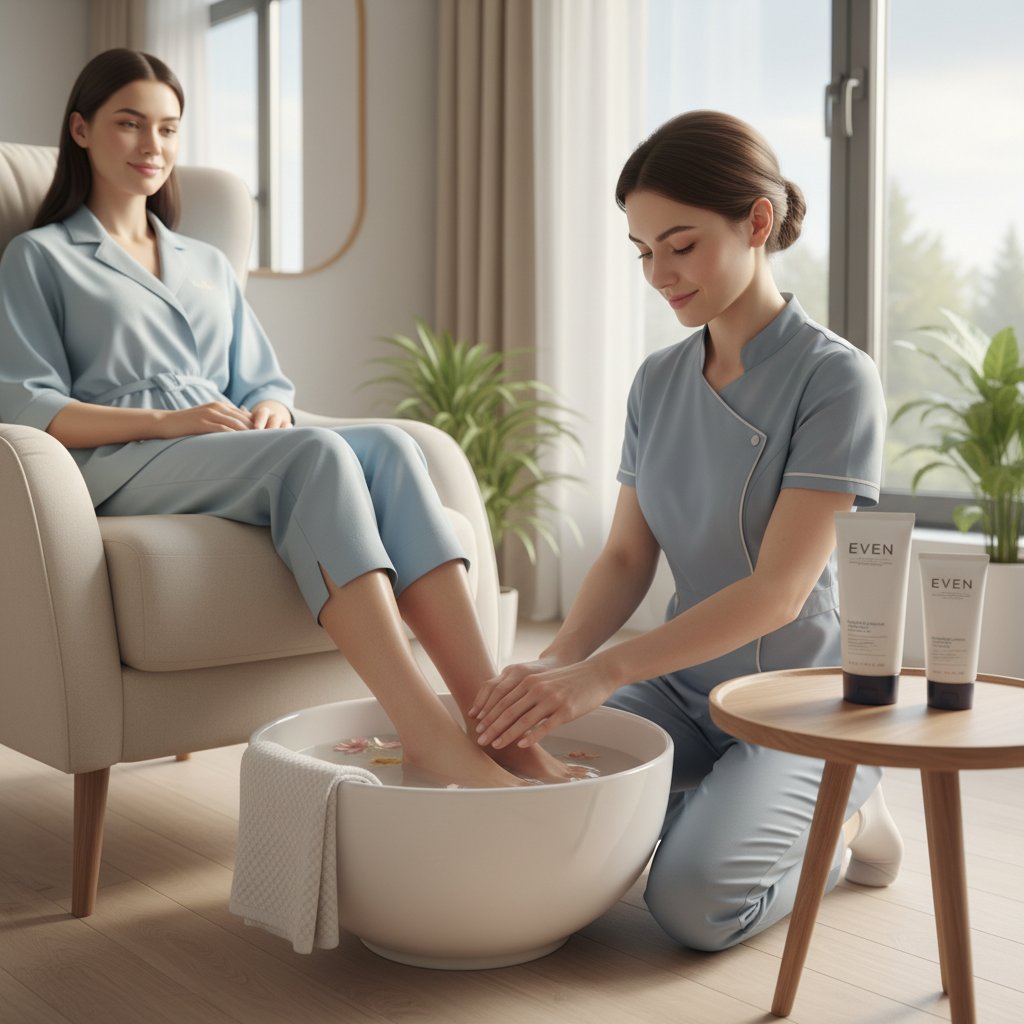
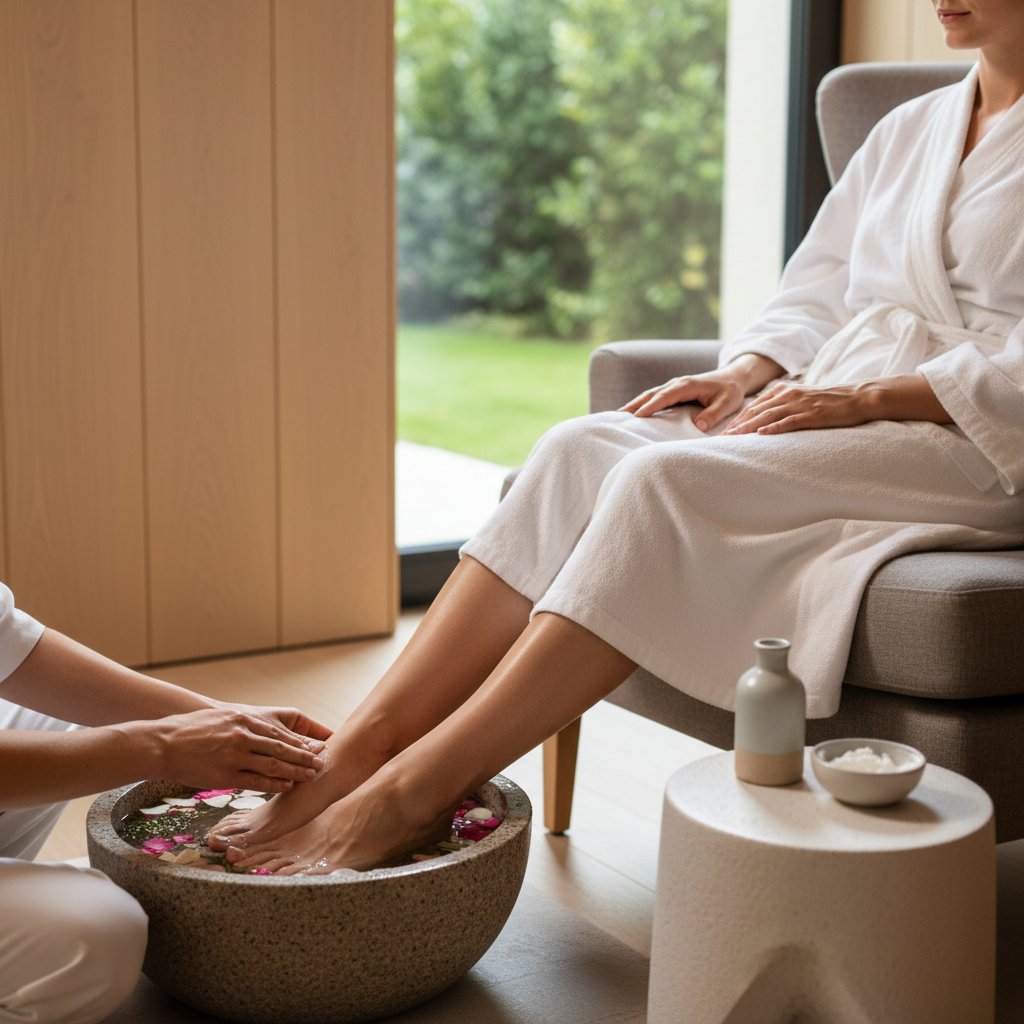
When you hear “self-care,” what’s the first thing that pops into your head? For a long time, for me, it was bubble baths, fancy spa days, or maybe a quiet hour with a book. And while all of those things can absolutely be part of it, I’ve come to realize that true self-care is so much more profound. It’s not just about pampering; it’s about intentionally taking actions to protect and improve your physical, mental, and emotional health. It’s about recognizing your needs and actively meeting them, even when life gets crazy. Think of it as proactively filling your own cup, so you have something left to give to others, and to yourself. It’s a foundational element for maintaining your personal well-being and reducing daily stress relief.
It’s about making conscious choices that support your overall health and happiness. And the beautiful thing is, it looks different for everyone! What rejuvenates me might not be what rejuvenates you, and that’s perfectly okay. The key is to find what truly helps you recharge and feel more centered.
Practical Self-Care Practices for Your Daily Life
So, how do we actually incorporate more self-care into our busy lives? It doesn’t have to be a grand gesture. Often, it’s the small, consistent actions that make the biggest impact. Here are some of the areas I’ve found really helpful to focus on, along with specific self-care practices that might resonate with you:
Physical Self-Care: Fueling Your Body
Our bodies are our vehicles through life, right? So, taking care of them is fundamental. This isn’t just about hitting the gym every day, though that’s great if it works for you! It’s about basic needs:
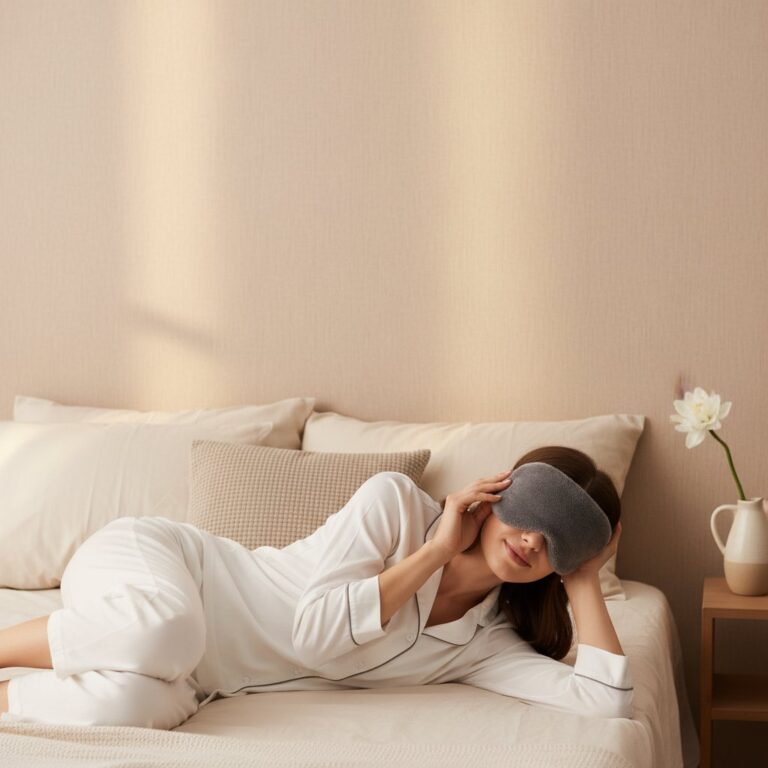
- Sleep: This one is huge! I used to brag about how little sleep I needed, but honestly, my mood and productivity plummeted. Now, I prioritize getting enough rest, even if it means saying no to an evening commitment. A consistent sleep schedule can do wonders for your mental well-being.
- Nutrition: Eating nourishing foods isn’t always glamorous, but it makes a difference. I’m not talking about strict diets, but simply trying to incorporate more fruits, veggies, and whole grains. When I eat better, I genuinely feel better, both physically and mentally.
- Movement: Find something you enjoy! Whether it’s a brisk walk, dancing around your living room, stretching, or a yoga class, moving your body helps release tension and can be a fantastic form of stress relief. Even just 15 minutes can shift your mood.
- Hydration: Simple, but often overlooked! Keeping a water bottle handy is a small habit that has a big impact on energy levels and focus.
Mental Well-being: Quieting the Noise
Our minds are constantly buzzing, aren’t they? Protecting your mental well-being is crucial. These practices help give your brain a break:
- Digital Detox: I’ve started putting my phone away an hour before bed, and it’s amazing how much calmer I feel. Even just setting limits on social media time can prevent overwhelm.
- Learning & Creativity: Engaging your mind in a different way can be incredibly refreshing. Reading a book, listening to a podcast, learning a new skill, or trying a creative hobby like drawing or knitting can be wonderful for your personal well-being.
- Mindfulness & Meditation: Even 5-10 minutes of quiet reflection or guided meditation can help ground you and provide much-needed stress relief. There are tons of free apps and resources out there if you want to give it a try.
- Journaling: Getting your thoughts and feelings out on paper can be incredibly cathartic. It helps process emotions and gain clarity.
Emotional Health: Acknowledging Your Feelings
This is an area I’ve really focused on lately. It’s about being present with your emotions, not suppressing them. Nurturing your emotional health is a vital part of self-care.
- Expressing Yourself: Talk to a trusted friend, family member, or even a therapist. Sharing what’s on your mind can lighten the load.
- Setting Boundaries: This is a tough one for many of us, but so important! Learning to say “no” when you’re feeling stretched thin protects your energy and prevents resentment. It’s a powerful act of self-love.
- Practicing Self-Compassion: We’re often our own harshest critics. Treat yourself with the same kindness and understanding you’d offer a dear friend.
- Allowing Yourself to Feel: It’s okay to be sad, angry, or frustrated. Acknowledge these emotions without judgment, and then let them pass.
Social Self-Care: Connecting and Disconnecting
Humans are social creatures, but we also need our alone time. Balancing these needs is key for your personal well-being.
- Quality Connections: Spend time with people who uplift you and make you feel good. Prioritize those relationships that truly nourish your spirit.
- Alone Time: Schedule time for yourself, even if it’s just an hour. Use it to do something you genuinely enjoy, without distraction.
- Saying No to Social Obligations: Sometimes, the most self-caring thing you can do is decline an invitation if you’re feeling overwhelmed or simply need a quiet evening.
Making Self-Care a Habit (It’s Not Always Easy!)
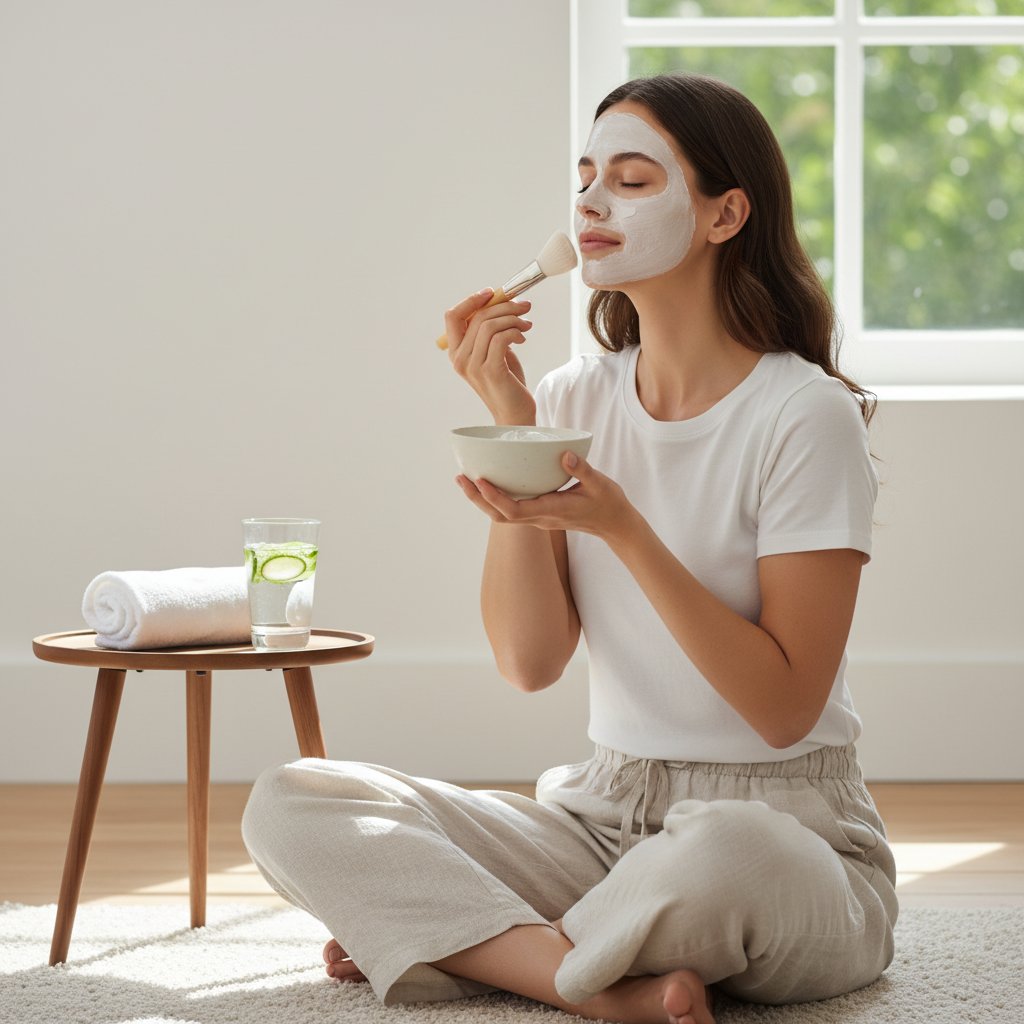
I won’t lie, consistently practicing self-care can be a challenge. Life throws curveballs, and sometimes it feels like there’s simply no time. But here’s what I’ve learned:
- Start Small: Don’t try to overhaul your entire routine at once. Pick one or two self-care practices that feel manageable and try to stick with them for a week. Maybe it’s a 10-minute walk every morning, or five minutes of quiet time before bed.
- Schedule It: Just like you’d schedule a meeting or an appointment, block out time for self-care. Put it in your calendar! This makes it feel more official and less likely to be skipped.
- Be Flexible: Some days, your planned self-care might not happen, and that’s okay! Don’t beat yourself up. Just try again tomorrow. The goal is progress, not perfection.
- Listen to Your Body and Mind: Pay attention to what you truly need. Are you exhausted? Maybe rest is the best form of self-care. Feeling isolated? Reach out to a friend. Your needs will change, and your self-care should too. It’s all about supporting your ongoing mental well-being and finding effective stress relief strategies.
My Own Self-Care Journey and What I’ve Learned
For me, one of the biggest shifts came when I started viewing self-care not as a luxury, but as a necessity – like brushing my teeth or eating. There was a period a few years ago where I was constantly taking on too much, feeling overwhelmed, and my emotional health really suffered. I was irritable, anxious, and just felt generally “off.” I realized I couldn’t keep pouring from an empty cup.
My turning point was realizing that my self-care didn’t have to be Instagram-perfect. It could be as simple as making sure I ate a proper lunch away from my desk, or taking 20 minutes to listen to my favorite music. These small, consistent self-care practices gradually built up and made a huge difference to my overall personal well-being. I started sleeping better, feeling more patient, and generally more resilient. I still have days where I fall off the wagon, but now I have the awareness to recognize it and gently guide myself back to what I know helps.
It’s an ongoing journey, and sometimes the most important part of my self-care is simply giving myself permission to rest, or to not be productive. It’s about being kind to myself, especially on the tough days.
I hope these thoughts about self-care practices give you some ideas and inspiration! Remember, taking care of yourself isn’t selfish; it’s essential. It allows you to show up as your best self for your loved ones, your work, and most importantly, for yourself. Your mental well-being and emotional health are incredibly valuable, and investing in them through self-care is one of the best things you can do. What are some of your favorite ways to practice self-care and find stress relief? I’d love to hear them!